+86 13827272341
+86 13827272341
Release date:2026-05-09
Sleeve-type Packaging Machine: Detailed Analysis of Working Principle and Application Advantages
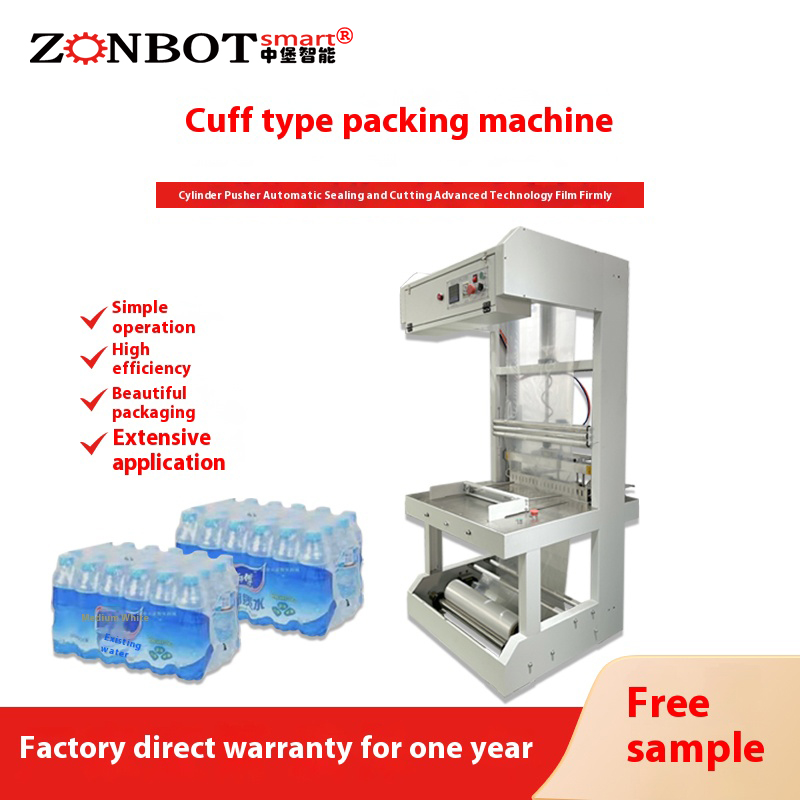
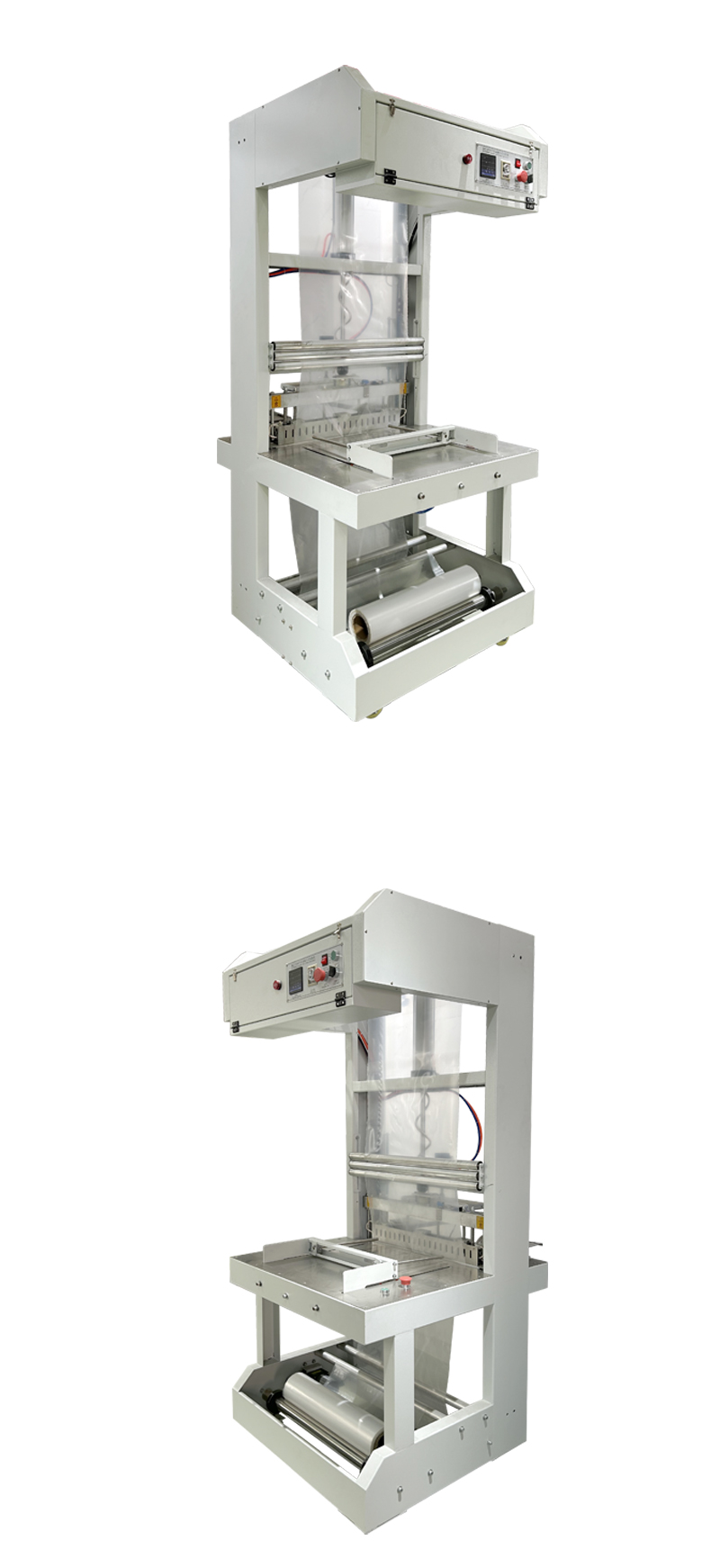
The sleeve-type packaging machine is a commonly used automatic heat shrink packaging equipment in industrial production. With the features of high efficiency, low cost and strong versatility, it is widely applied in the combined packaging of food and beverage, daily chemical, building materials, hardware and other industries. This paper comprehensively analyzes the equipment from four aspects: principle, structure, advantages and application scenarios.
I. Working Principle
The sleeve-type packaging machine adopts a continuous process of film sleeving → sealing and cutting → heat shrinking → cooling. Products are automatically queued and positioned by the conveyor belt; the servo system feeds the film accurately to wrap the middle of products with PE film into a tubular shape; the transverse sealing knife performs hot-melt sealing and cutting to form a sleeve-shaped film package with both ends open; the package is then sent into the heat shrink tunnel, where circulating hot air heats the film to shrink evenly and fit closely to the products; finally, it is air-cooled for shaping and finished products are output. The whole process features a high degree of automation and reduces manual intervention.
II. Main Structure
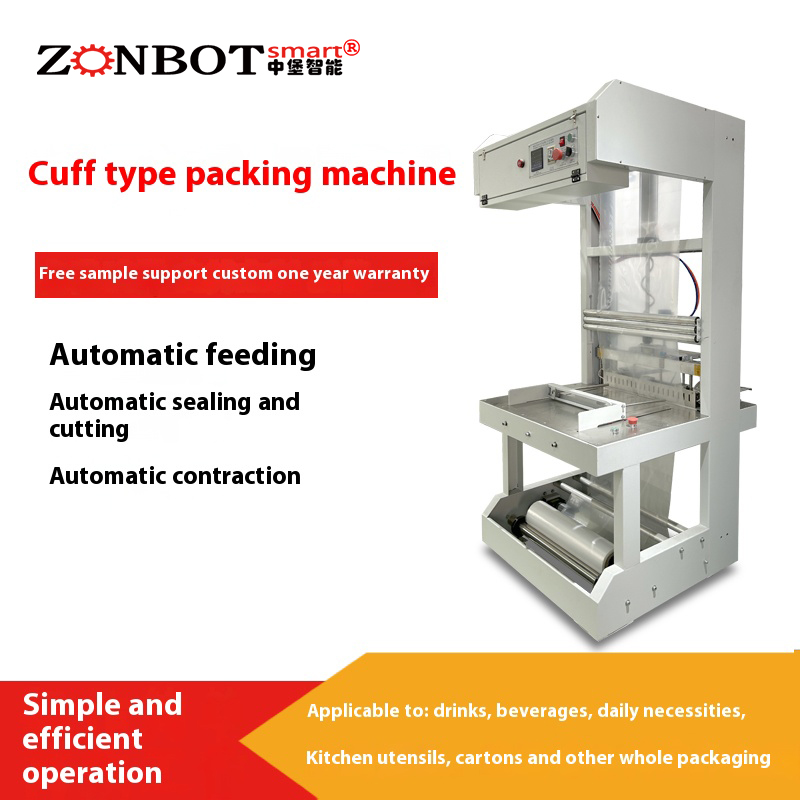
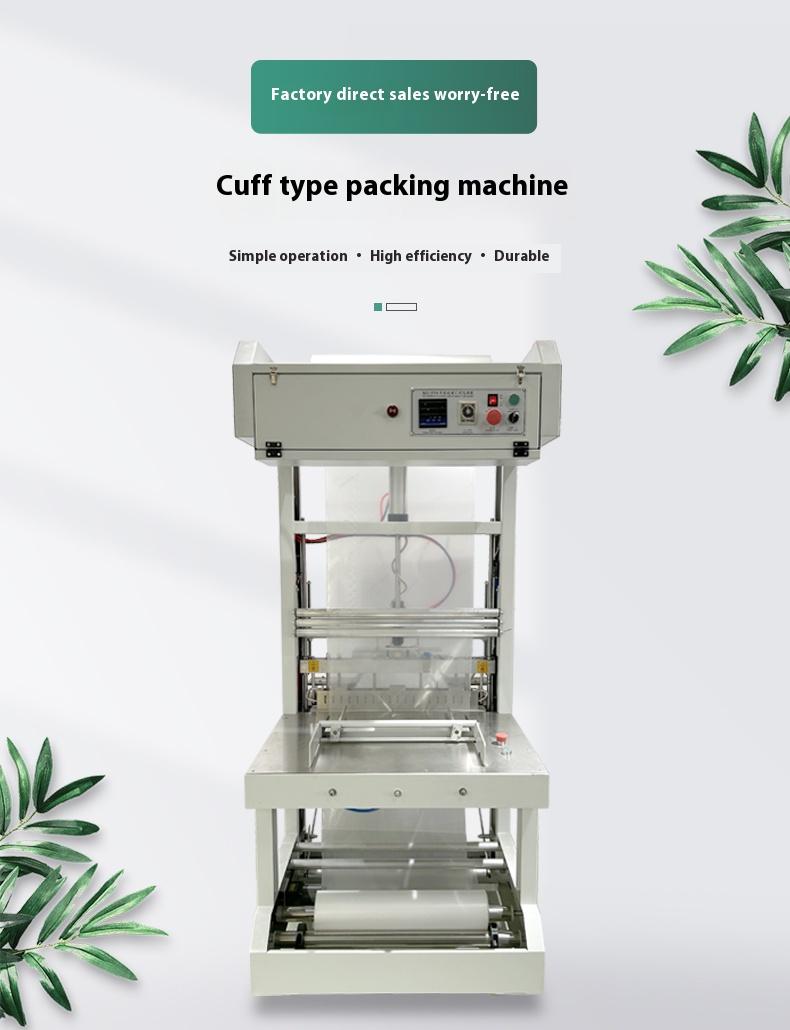
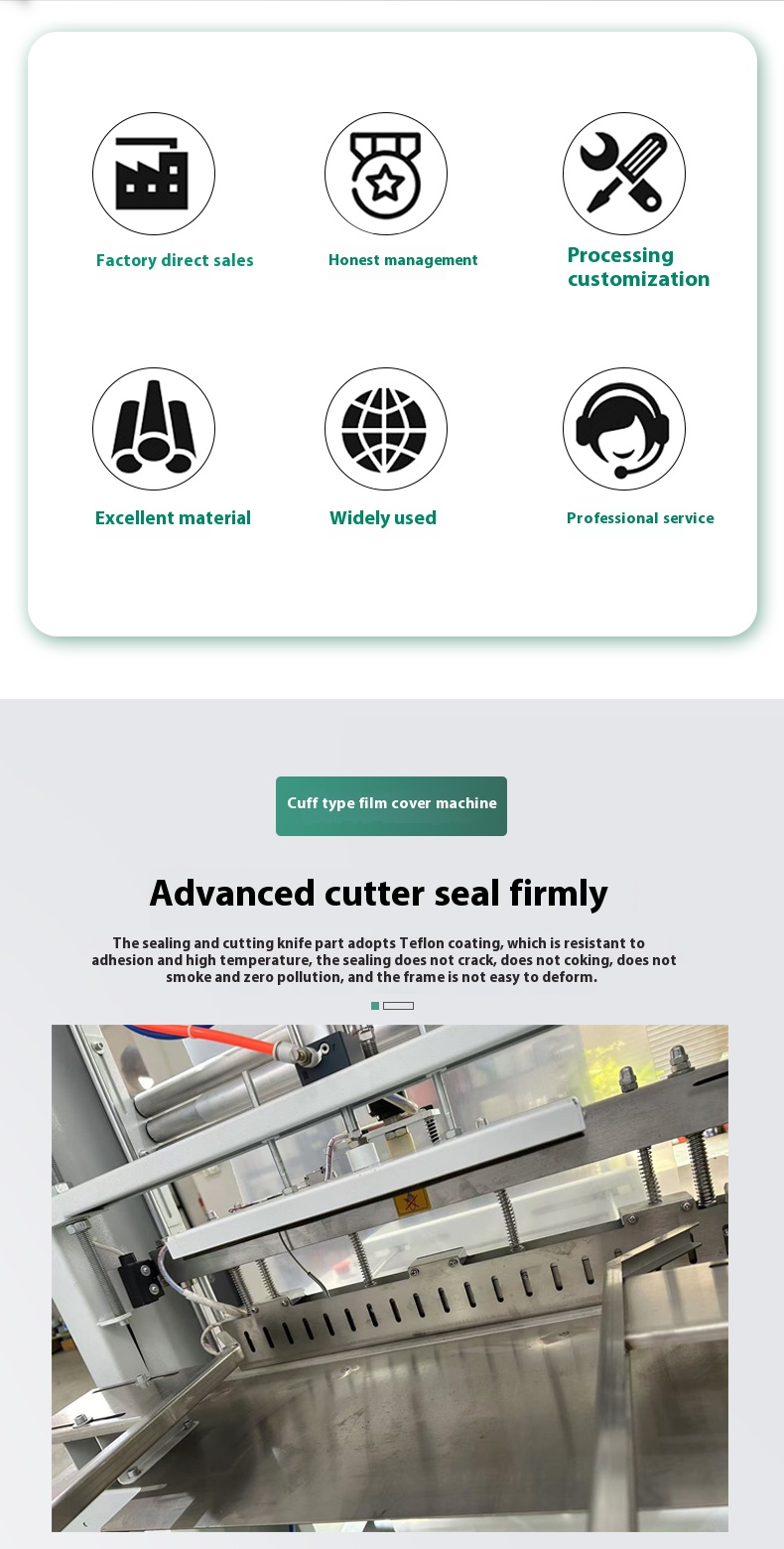
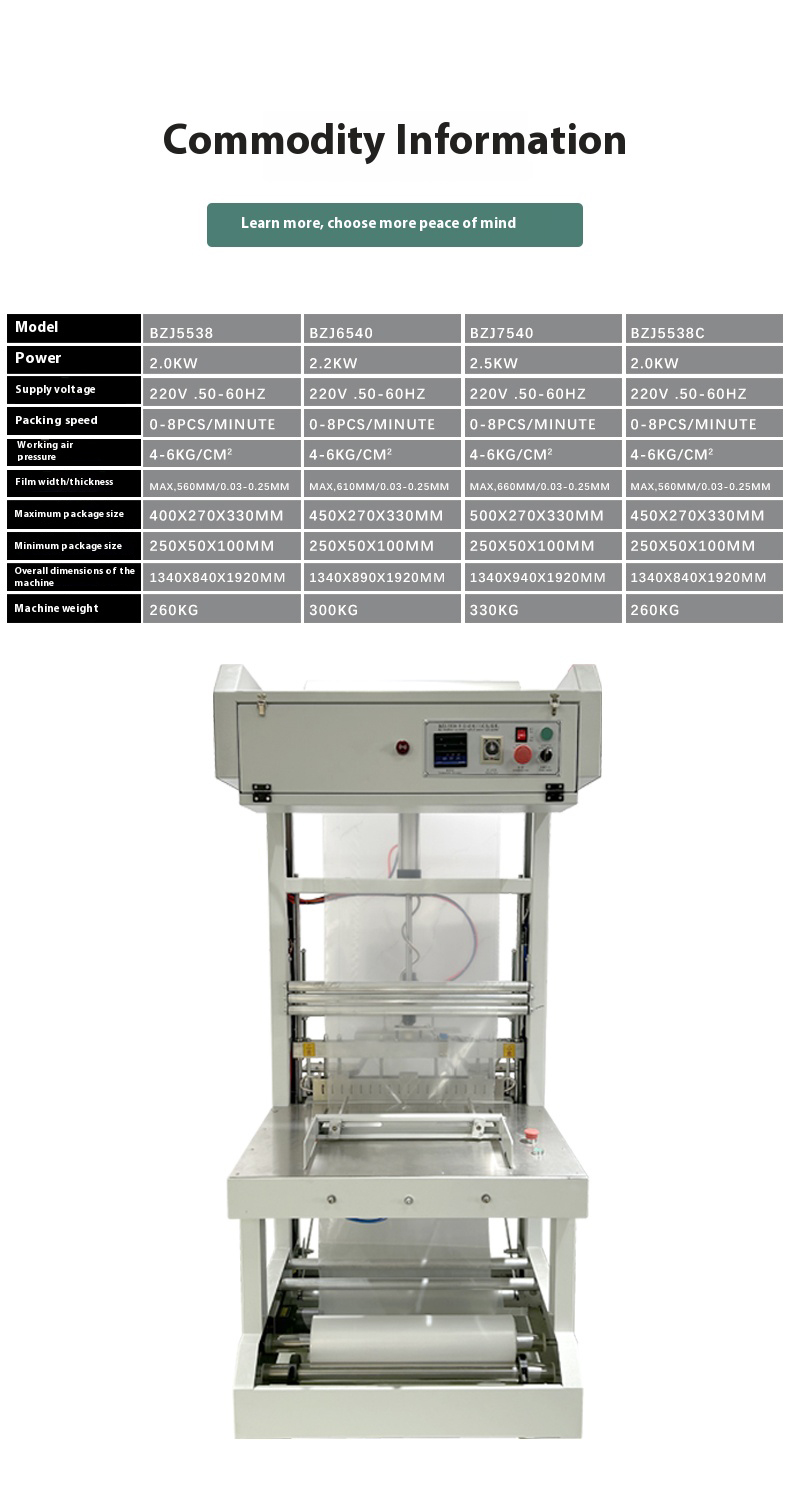
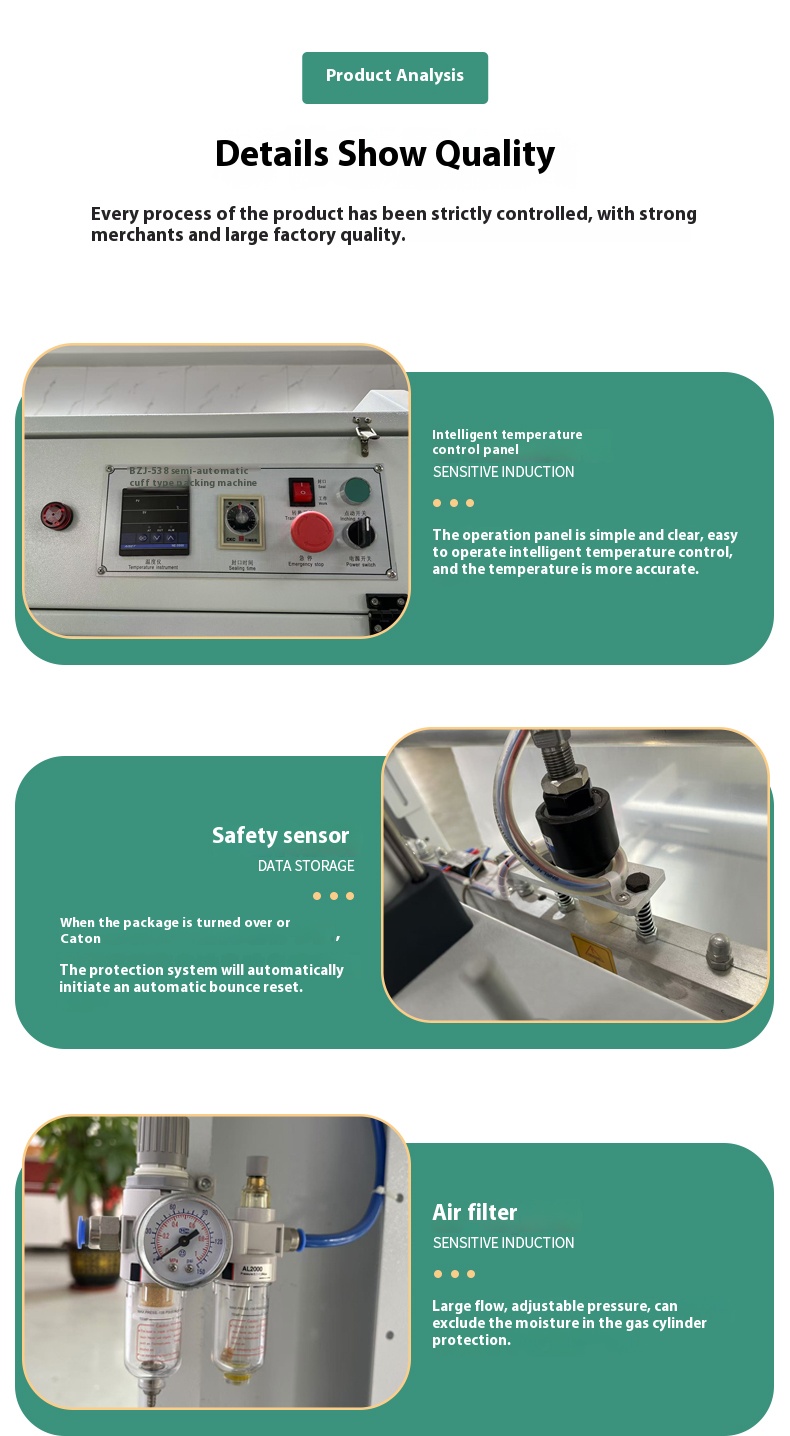
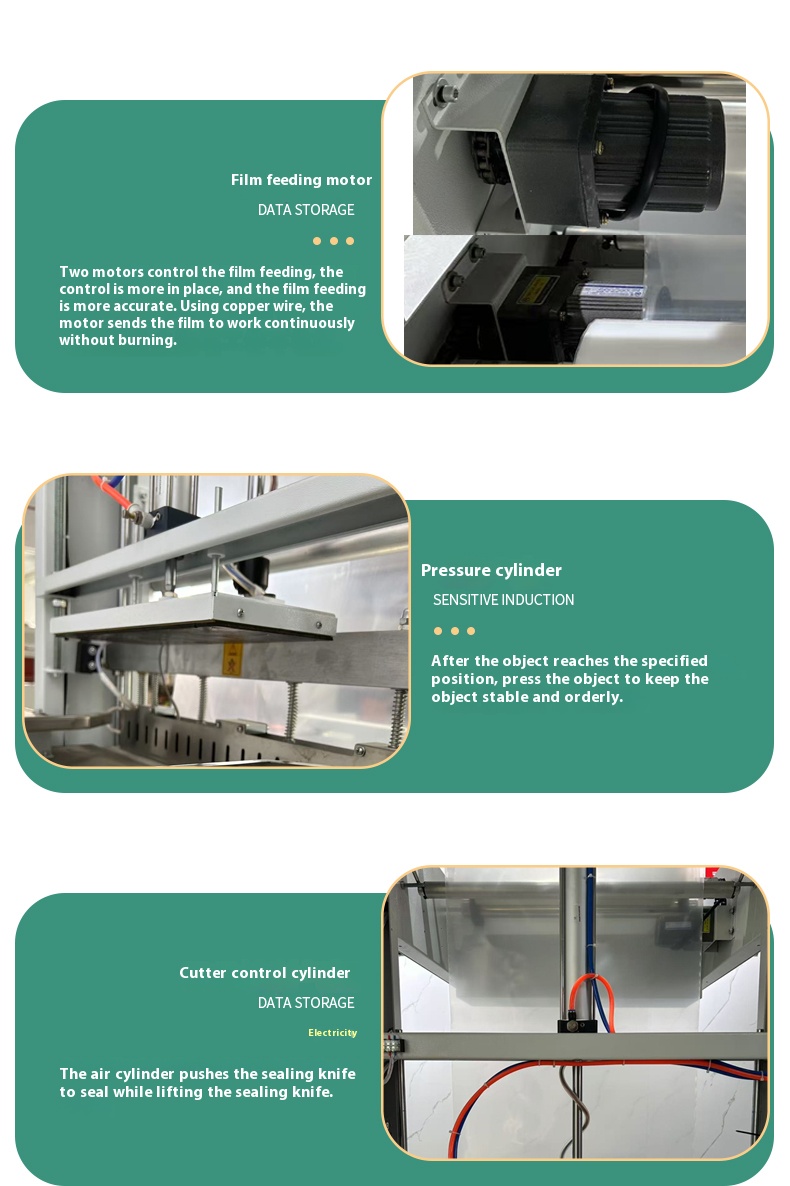
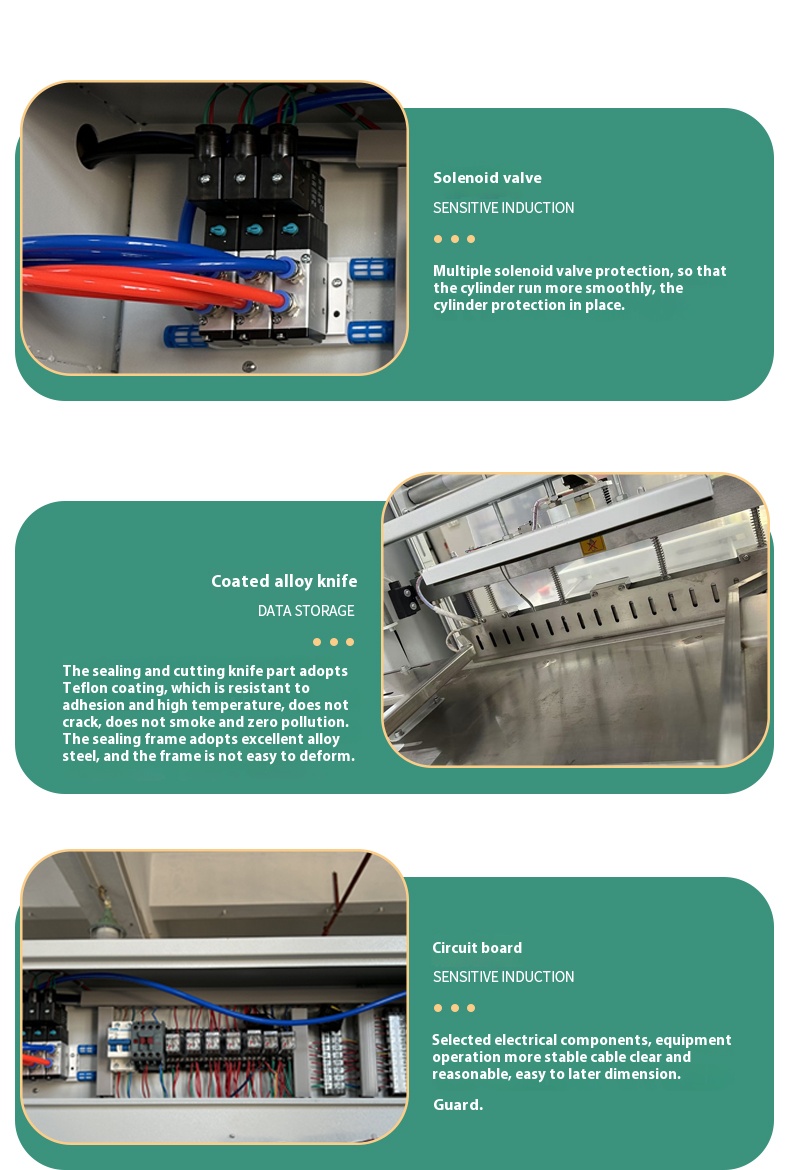
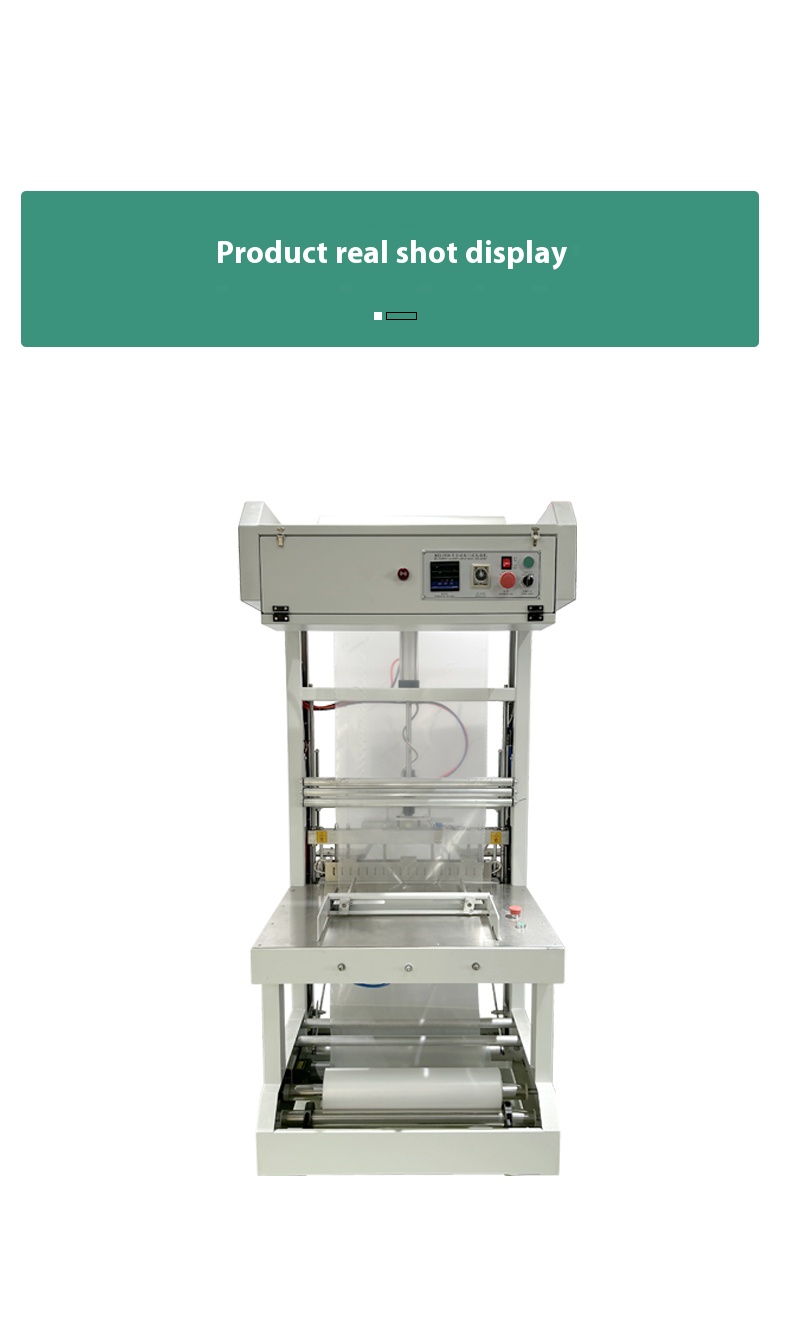
The equipment consists of four parts: feeding conveyor, film sleeving and sealing main unit, heat shrink tunnel and cooling table. The feeding conveyor adopts variable frequency speed regulation to adapt to different production lines; the main unit is equipped with PLC and servo control, and the sealing knife is coated with non-stick material, which is durable and not easy to adhere to the film; the heat shrink tunnel adopts a hot air circulating design with precise temperature control to ensure uniform shrinking; the cooling table uses high-air-volume air cooling for rapid shaping and improved packaging effect.
III. Core Advantages
High Efficiency: Standard models reach 15–30 packages per minute, and high-speed inline models can achieve 30–50 packages per minute, 5–10 times faster than manual operation.
Low Cost: PE heat shrink film is adopted, with the cost over 30% lower than cartons, and it is environmentally friendly and recyclable.
Strong Protection: It is moisture-proof and dust-proof, stable and drop-resistant. The open-end design ensures air permeability, suitable for moisture-sensitive products.
Wide Compatibility: It can package bottles, cans, boxes, cartons and other specifications, supporting standalone use or connection with assembly lines.
IV. Typical Applications
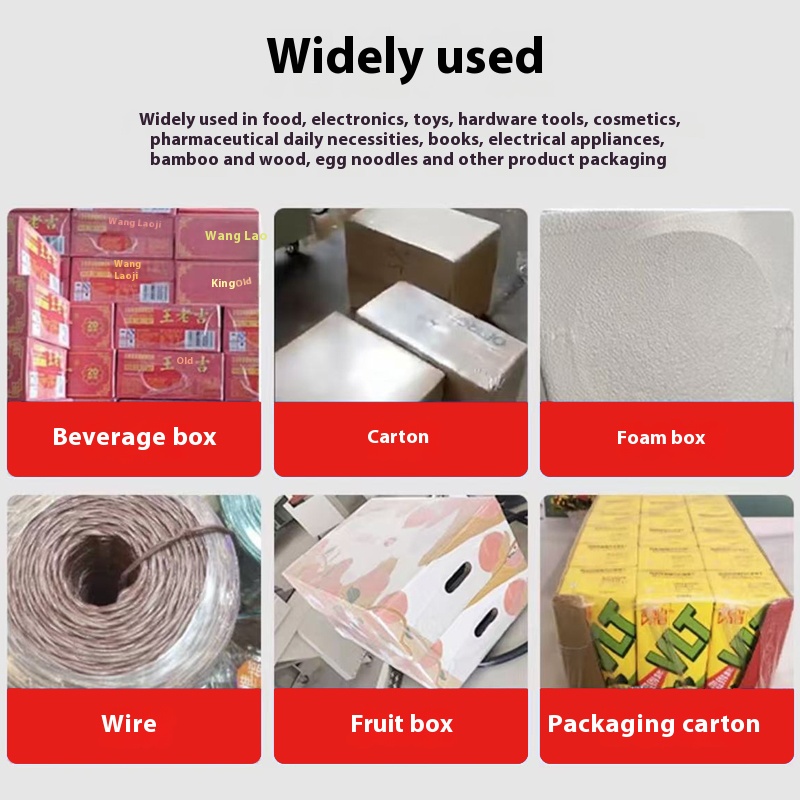
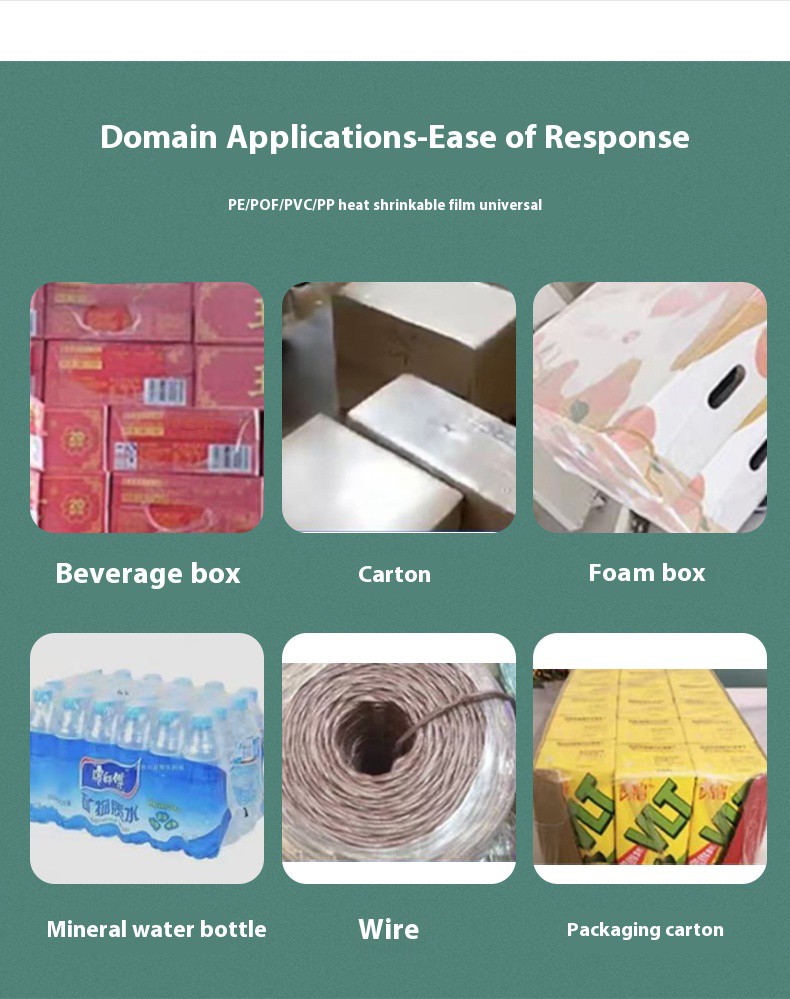
Food and Beverage: Combined packaging of mineral water, beer and beverages. Transparent film enhances shelf display effect.
Daily Chemical Industry: Combined packaging of laundry detergent, shampoo and other products for buffering and damage prevention.
Building Materials and Hardware: Packaging of pipes, profiles and small hardware parts for moisture and rust prevention.
In conclusion, the sleeve-type packaging machine is an ideal choice for modern enterprises to reduce costs and improve efficiency. Proper model selection and standardized maintenance can significantly extend equipment service life and increase production capacity.
Article 2: Long-tail Keyword | Fully Automatic Sleeve-type Heat Shrink Packaging Machine – Features and Selection Key Points
Features and Selection Key Points of Fully Automatic Sleeve-type Heat Shrink Packaging Machine
The fully automatic sleeve-type heat shrink packaging machine is a mainstream model among heat shrink packaging equipment. With the advantages of high automation, excellent packaging effect and wide application range, it has become common equipment for mass production enterprises. This article introduces its core features and provides practical selection suggestions.
I. Main Features
High Automation: It adopts PLC programmable control system, matched with servo film feeding and photoelectric induction positioning, automatically completing the whole process of feeding, film sleeving, sealing and cutting, heat shrinking and cooling without manual film sleeving, saving labor costs.
Stable Packaging Efficiency: Inline structural design ensures stable operation with a standard speed of 15–30 packages per minute, capable of long-term continuous operation, suitable for mass production scenarios.
Exquisite Packaging Effect: PE heat shrink film is used. After shrinking, the film fits closely to products with a flat and wrinkle-free surface, presenting a transparent and elegant appearance to upgrade product grade. The open-end sleeve design facilitates handling and display.
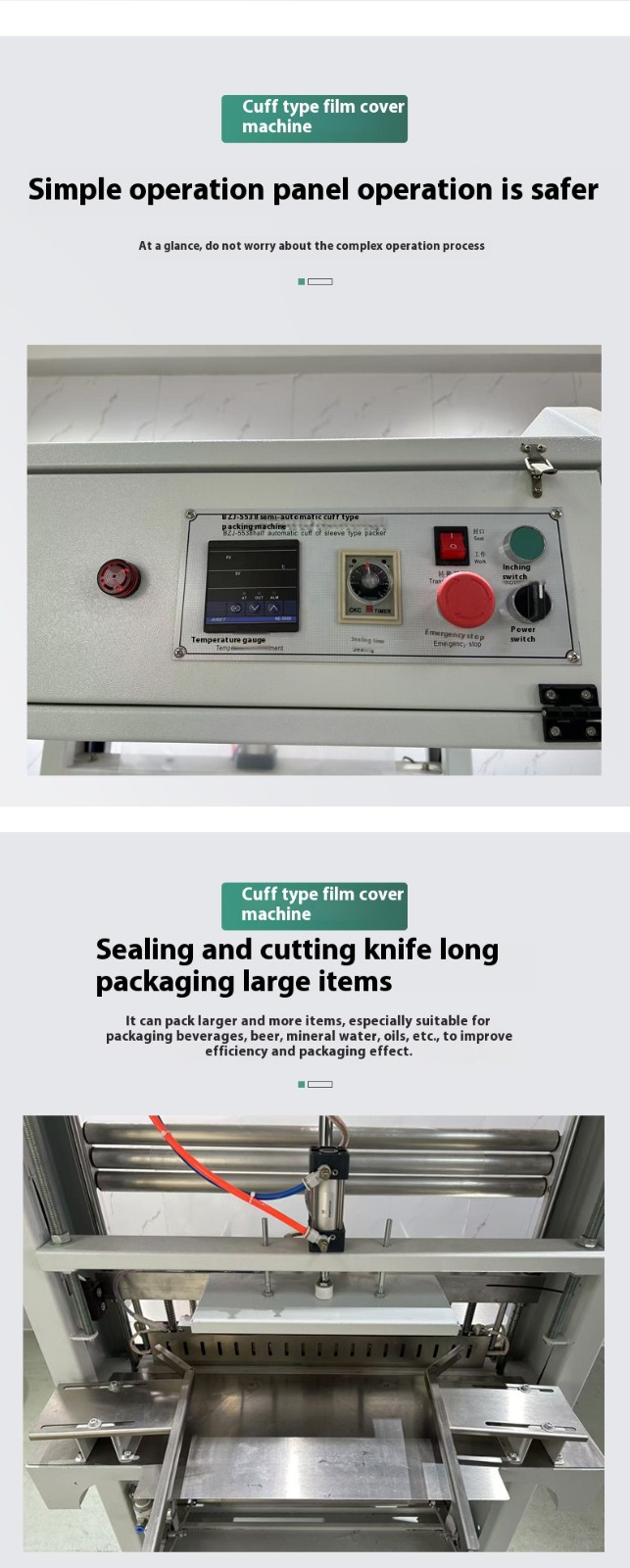
Simple Operation and Maintenance: Touch screen human-machine interface enables intuitive parameter setting with automatic fault alarm prompt. Modular structural design facilitates replacement of vulnerable parts and simplifies daily maintenance.
II. Selection Key Points
Confirm Product Specifications: Clarify the maximum packaging size (length × width × height), weight and product form (round bottles, square boxes, cartons, etc.) to ensure the equipment matches product dimensions.
Match Production Capacity Demand: L-type compact model is optional for small and medium batches (8–15 packages per minute); inline model for medium and large batches (15–30 packages per minute); high-speed inline model for production lines over 30 packages per minute.
Focus on Equipment Configuration: Prioritize models with servo film feeding and PLC control for accurate film sleeving and high stability. The heat shrink tunnel shall adopt hot air circulation with temperature control accuracy of ±1℃ to ensure uniform shrinking.
Consider Site Layout and Line Connection: L-type machine covers a small area, suitable for factories with limited space; inline machine is applicable for connecting front and rear assembly lines to realize automated production.
Attach Importance to After-sales Service and Maintenance: Choose regular manufacturers and confirm the supply of vulnerable parts and after-sales response speed to reduce later maintenance costs....